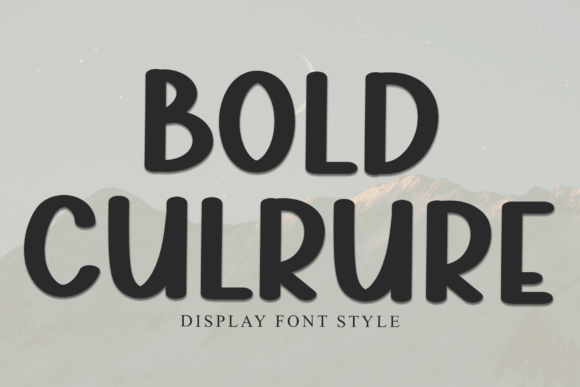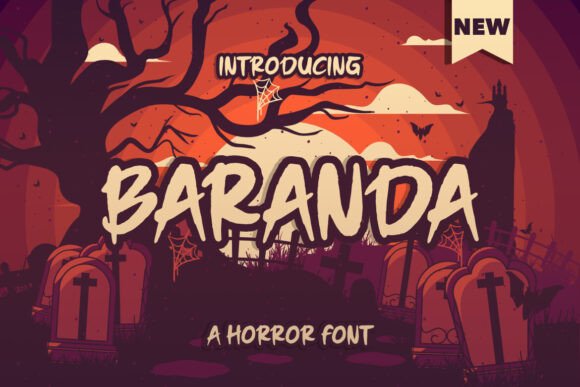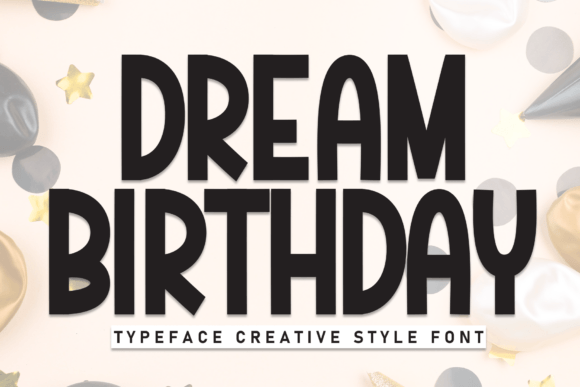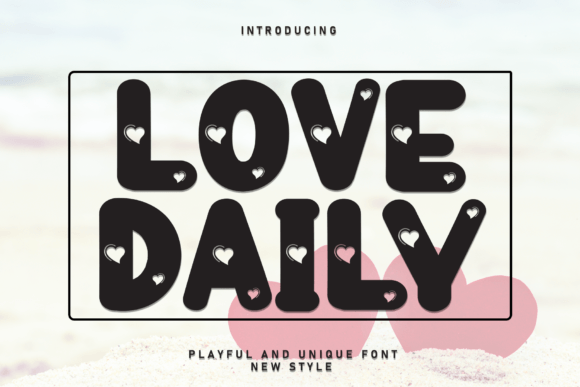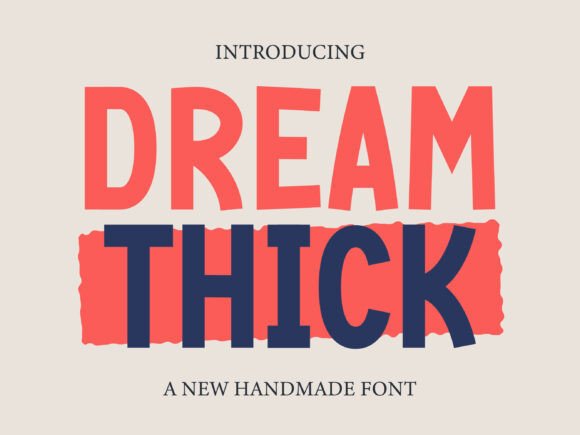
Dream Thick: A Bold Display Font for Impactful Branding
When I opened my brand board for a local café’s visual refresh, I knew I needed something that would make their name pop. Dream Thick was the first font I tested on the logo concept, and it immediately caught my eye. With its thick letters and playful style, Dream Thick is a display font that stands out with its rounded shapes and friendly personality. It's perfect for grabbing attention in posters, headlines, and logos.
Dream Thick for Café Logos and Brand Identity
I placed Dream Thick on the café’s logo draft, and it felt like a natural fit. The rounded shapes gave it a warm, approachable feel, which matched the café’s vibe. As a brand designer, I often look for fonts that can carry both visual weight and emotional tone. Dream Thick does this well—its boldness commands attention without feeling too aggressive. It’s a great choice for a café that wants to convey comfort and charm through its branding.
Testing Dream Thick on the brand board, I noticed how it worked well with other elements. Its thick strokes made it stand out against simpler typography, creating a clear visual hierarchy. I paired it with a clean sans serif font for body text, ensuring readability while still allowing Dream Thick to take center stage. This balance is crucial in branding projects where consistency and clarity are key.
Dream Thick for Packaging Design and Product Labels
When designing packaging mockups for the café’s new line of baked goods, I used Dream Thick on the product labels. The font’s playful style added a touch of fun, which aligned with the brand’s target audience. The thick letters were legible even at smaller sizes, which is surprising for a display font. However, I noted that it might not be ideal for long body text or formal corporate use, as it lacks the subtlety required for those contexts.
I also considered how Dream Thick would look on printed cards and signage. Its bold presence makes it suitable for shop signs and storefront displays, where visibility is essential. On a small business card, the font’s thickness ensures it remains readable and impactful, even when scaled down.
Dream Thick for Social Media Graphics and Web Design
Incorporating Dream Thick into social media graphics was another area where it shone. I used it for Instagram posts and Facebook banners, where its bold style helped the content stand out in a crowded feed. The font’s playful nature made it a good match for creative studios and handmade shops looking to build an engaging online presence.
On the website header, Dream Thick worked well as a headline font. Its thick strokes and rounded edges added a sense of energy and warmth, which complemented the café’s brand voice. However, I recommend using it sparingly on web pages, especially for body text, to maintain readability and avoid overwhelming the user experience.
Dream Thick for Logo Design and Brand Recognition
One of the most compelling aspects of Dream Thick is its ability to create strong brand recognition. When used consistently across different design assets—logos, packaging, social media, and print materials—it reinforces the brand’s identity. The font’s unique style helps differentiate the brand from competitors, making it more memorable.
I also found that Dream Thick pairs well with other fonts. For instance, pairing it with a serif font like Cinzel or a modern sans serif like Montserrat creates a balanced contrast that enhances the overall design. This flexibility makes it a versatile option for designers working on diverse branding projects.
Dream Thick for Editorial Design and Creative Projects
While Dream Thick is primarily a display font, I’ve used it in editorial design projects where its boldness adds visual interest. It works particularly well for short phrases, headlines, and taglines, where its thick strokes help draw the eye. In a creative studio setting, this font can be a valuable tool for adding character to design assets without compromising readability.
However, I caution against using Dream Thick for long body text or formal documents. Its playful style may not align with the tone of more serious or professional contexts. That said, for projects that require a strong visual impact, Dream Thick is an excellent choice.
Before finalizing any client work, I always recommend testing Dream Thick in different formats and sizes to ensure it meets the project’s needs. Checking commercial font licensing is also essential, especially when using the font in brand identity, packaging, or digital products.