Quick Design: A Handwritten Font for Warm Branding and Creative Projects
As I opened my latest brand board for a small, locally-owned boutique, I found myself staring at a blank canvas. The client wanted something approachable, friendly, and sweet—something that felt like the kind of handwritten note you’d find in a cozy café. That’s when I thought of Quick Design. It’s not just another display font; it’s a personality. Its charm and friendliness make it perfect for projects where warmth and authenticity are key.
Quick Design for Wedding Invitations and Elegant Branding
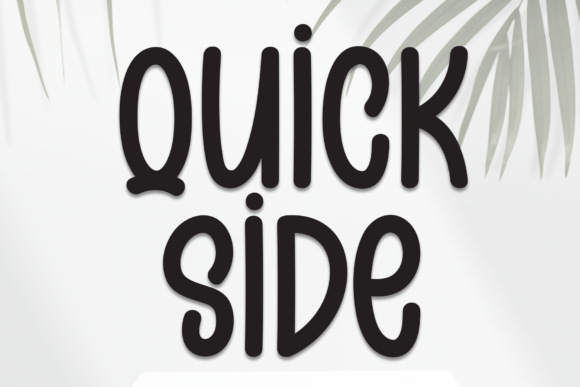
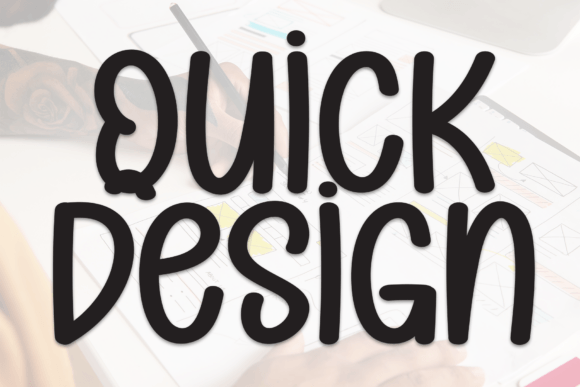
Quick Design is a handwritten display font that feels like it was crafted with care. Each letter has a soft, flowing character that exudes sweetness and approachability. I used it in the first mockup for the boutique’s logo, and it immediately set the tone for the entire brand identity. It’s the kind of font that makes people smile, which is exactly what the client wanted.
The font’s readability is impressive, especially when used in smaller sizes. I tested it on a few different platforms, including social media graphics and website headers, and it held up well. It’s not too ornate to be distracting, but it still carries that handwritten charm that makes it stand out. For a boutique that sells handmade goods, this font felt like the perfect fit—it added a personal touch without being overwhelming.
Quick Design for Brand Identity and Logo Design
When designing the logo for the boutique, I knew I needed something that would reflect the brand’s values. Quick Design was the obvious choice. Its gentle curves and friendly lines helped create a logo that felt warm and inviting. I paired it with a clean sans-serif font for the tagline, creating a balance between the handcrafted and modern elements of the brand.
Using Quick Design as the primary typeface in the logo allowed me to maintain a cohesive visual language throughout the brand materials. Whether it was on the packaging, signage, or digital assets, the font consistently communicated the same message: friendly, approachable, and trustworthy. It’s a great example of how a display font can work both as a headline and a supporting element in a brand system.
Quick Design for Social Media Graphics and Digital Assets
I also used Quick Design in the social media templates for the boutique. It worked beautifully in Instagram posts, Facebook banners, and even email newsletters. The font’s legibility made it ideal for short-form text, while its playful style added a nice contrast to the more formal elements of the design.
One thing I noticed was how quickly the font became recognizable. After a few weeks of consistent use, the boutique’s audience started associating the font with the brand. That’s the power of a strong typeface—it helps build recognition and loyalty. Quick Design is not just a font; it’s a tool for creating emotional connections with your audience.
Quick Design for Packaging and Merchandise
When it came to packaging design, I had to consider how the font would look in print. Quick Design translated well onto paper, maintaining its soft, friendly appearance even when printed in smaller sizes. I used it on product labels, tags, and even the packaging itself, ensuring that every touchpoint reinforced the brand’s personality.
For the boutique’s merchandise, such as notebooks and greeting cards, Quick Design added an extra layer of charm. It made the products feel more personal and unique, which aligned perfectly with the brand’s ethos. The font’s versatility meant it could be used in a variety of ways, from bold headlines to subtle accents, depending on the project’s needs.
Quick Design for Editorial and Print Design
Quick Design also shone in editorial design. I used it for a promotional flyer for the boutique’s seasonal sale, pairing it with a serif font for the body text. The combination created a visually appealing layout that was both elegant and easy to read. The font’s personality complemented the content, making the flyer feel more engaging and authentic.
Another test case was a local event poster. The client wanted something that felt like a handwritten invitation, and Quick Design delivered exactly that. It was clear, readable, and carried a sense of warmth that made the event feel more personal and welcoming. This is one of the reasons why Quick Design is such a valuable asset for designers working on creative projects.
Quick Design for Web Design and Online Presence
On the web, Quick Design performed exceptionally well. I used it as the headline font for the boutique’s homepage, and it immediately caught the eye of visitors. Its friendly nature made the site feel more approachable, encouraging users to explore further. I paired it with a modern sans-serif font for the body text, creating a balanced and professional look.
Testing the font across different screen sizes and devices was essential. I made sure it looked good on desktops, tablets, and mobile phones. Quick Design’s scalability ensured that it remained legible and stylish no matter the platform. This is a crucial consideration for any designer looking to create a cohesive online presence.
Quick Design for Font Pairing and Design Flexibility
Quick Design is not a one-size-fits-all font, but it works well with a variety of other typefaces. I’ve paired it with serif fonts for a more classic look, sans-serif fonts for a modern twist, and even other handwritten fonts for a more playful aesthetic. The key is to maintain a balance that complements the brand’s overall identity.
When using Quick Design in a brand system, it’s important to consider the included styles, weights, and alternates. The font offers several variations that allow for greater flexibility in design. Whether it’s for a logo, a tagline, or a call-to-action, Quick Design adapts well to different contexts and purposes.
Before committing to a full brand system, I always recommend testing the font in different scenarios. It’s easy to fall in love with a typeface, but it’s important to ensure it works well in all aspects of the brand. Quick Design has proven to be a reliable and versatile choice, making it a great addition to any designer’s toolkit.