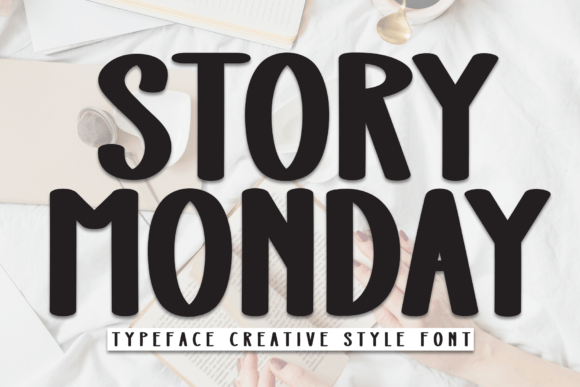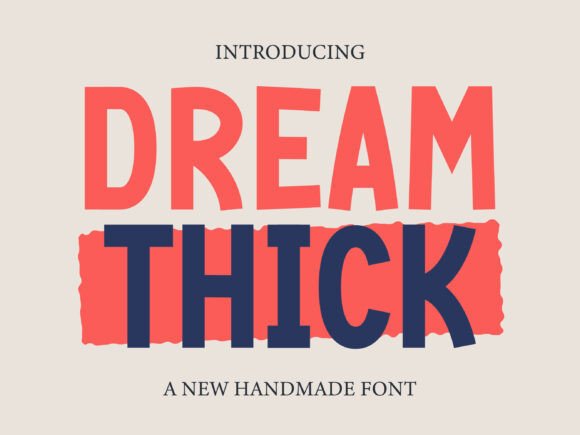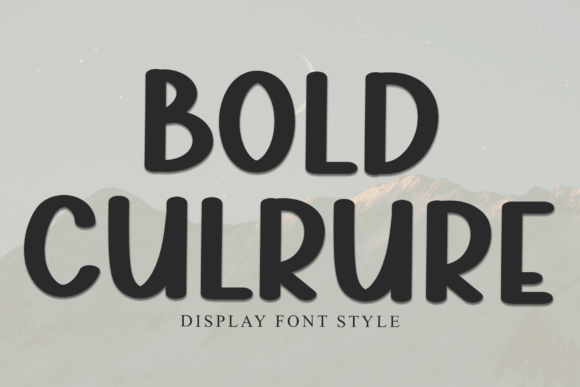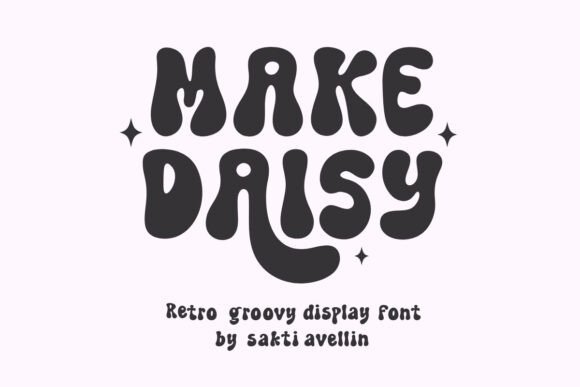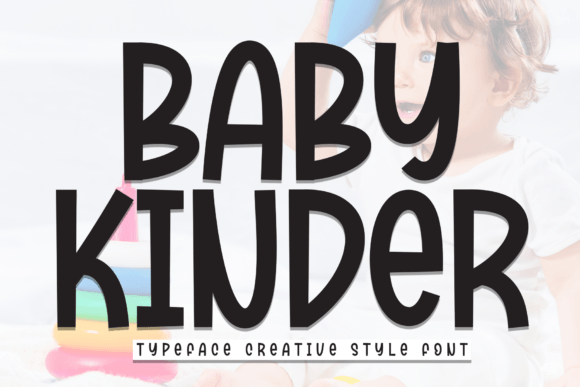
Baby Kinder: A Sweet and Friendly Display Font for Branding
There’s something undeniably inviting about a handwritten font that feels like it was scribbled by a child with a crayon, but with a touch of elegance. That’s the essence of Baby Kinder—a display font that brings warmth, charm, and personality to any design project. I recently tested it on a boutique brand identity for a local handmade shop, and it immediately felt like the perfect fit for their playful yet sophisticated aesthetic.
Baby Kinder for Handmade Shop Branding and Logo Design
Opening up a fresh brand board for a new client, I knew I needed a font that could convey both approachability and quality. Baby Kinder emerged as a strong contender. Its handwritten style is soft and friendly, making it ideal for a handmade shop that values creativity and individuality. When I applied it to the logo concept, the result was instantly recognizable and warm—like a handwritten note from a friend.
The font’s subtle curves and gentle strokes give it a sense of playfulness without being too childish. It’s the kind of font that feels like it belongs on a greeting card or a hand-painted sign. I paired it with a clean sans serif font for the supporting text, creating a balance between whimsy and professionalism. The combination worked beautifully, especially when printed on a business card or displayed on a shop window.
Baby Kinder for Social Media Graphics and Website Headers
In the digital space, Baby Kinder shines just as much as it does in print. I used it for a website header on a skincare brand’s landing page, where its friendly tone helped create an inviting atmosphere. The font’s legibility at larger sizes made it perfect for headlines, while its decorative elements added a touch of character that stood out on social media posts.
I also tested it on Instagram graphics for a small bakery. The font’s cute and fun personality matched the brand’s vibe perfectly. It was easy to read even in smaller sizes, which is a big plus for social media use. However, I noticed that when scaled down too much, some of the intricate details began to fade. This makes it important to test the font in different contexts before finalizing its use in client projects.
Baby Kinder for Packaging Design and Product Labels
When designing packaging for a line of artisanal candles, I found that Baby Kinder brought a level of charm that other fonts couldn’t match. It worked well on product labels, adding a personal touch that felt authentic. The font’s rounded edges and flowing lines gave the packaging a soft, inviting feel that aligned perfectly with the brand’s image.
However, I also considered its limitations. While Baby Kinder is excellent for short phrases and headings, it might not be the best choice for long body text or formal corporate branding. Its playful nature can sometimes come across as too casual for more serious applications. That said, it’s a great option for creative studios, bloggers, or small businesses looking to stand out with a unique visual identity.
Baby Kinder for Editorial Design and Creative Projects
Another project that benefited from Baby Kinder was a flyer for a local art festival. The font’s friendly and approachable style helped create a welcoming atmosphere that encouraged people to attend. It worked well with other design elements, such as illustrations and color schemes, to enhance the overall visual storytelling.
I also used it in a series of editorial design assets for a lifestyle blog. The font’s versatility allowed it to adapt to different formats, from headers to captions. Its ability to blend with both modern and vintage aesthetics made it a valuable addition to the design toolkit. But again, I emphasized the importance of testing it in various sizes and contexts to ensure it maintained its readability and appeal.
Baby Kinder for Font Pairing and Commercial Use
When pairing Baby Kinder with other fonts, I found that it works best with clean, modern typefaces that provide contrast. A sans serif font like Montserrat or Lato complements its handwritten style, creating a balanced and cohesive look. For more creative pairings, I experimented with script fonts to add an extra layer of personality to designs.
Before using Baby Kinder in client work, I always recommend checking the font’s licensing terms. It’s important to ensure that the font is suitable for commercial use, whether it’s for print-on-demand products, websites, or branded merchandise. Many premium fonts offer different license types, so understanding these options is key to avoiding legal issues.
Overall, Baby Kinder is a versatile display font that brings warmth and charm to a wide range of design projects. Whether you’re working on a boutique brand, a bakery, or a creative studio, this font has the potential to elevate your visual identity and connect with your audience in a meaningful way. Just remember to test it thoroughly and consider its limitations before committing to a final design.