Bushman Designer: A Soft and Stylish Display Font for Editorial Projects
There’s something about the moment you choose a font that feels like setting the tone for an entire project. Recently, I found myself redesigning the header for a lifestyle blog, and after testing several options, Bushman Designer stood out with its gentle curves and elegant rhythm. As a display font, it brought a sense of calm and intentionality to the layout, making it ideal for editorial design and content branding.
Bushman Designer for Lifestyle Blog Headers and Content Branding
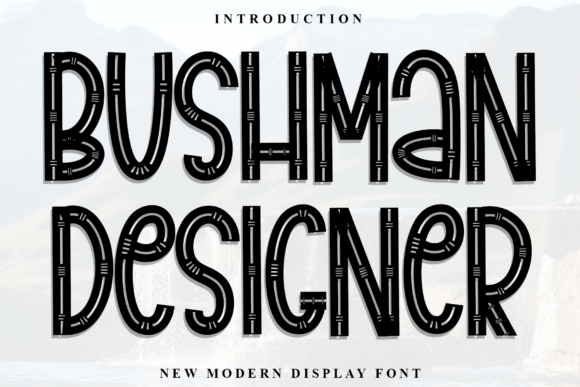
Bushman Designer is a display font with a soft touch, unique from a stroke, and filled with meaning for the future. When I used it for a lifestyle blog header, the result was both inviting and refined. The rounded edges and subtle variations in stroke width gave the text a human feel, perfect for content that aims to connect with readers on a personal level.
The font's distinctiveness made it easy to differentiate the blog’s brand identity from competitors. It added a layer of sophistication without being overwhelming, which is crucial when designing for digital platforms where attention spans are short.
Bushman Designer in Recipe Ebooks and Digital Magazines
For a recipe ebook I worked on, I wanted a font that would complement the warm, approachable tone of the content. Bushman Designer fit seamlessly into the design, especially for section headings and pull quotes. Its character set included many symbols and accents that were useful for formatting ingredients and instructions.
In a digital magazine layout, I tested Bushman Designer as a cover font and for feature titles. The font's visual weight and legibility at larger sizes helped draw the eye naturally to key sections. It didn’t overpower the content but instead enhanced the editorial mood with a soft, thoughtful presence.
Bushman Designer for Wedding Guides and Printable Planners
A wedding guide requires a font that exudes elegance and care, and Bushman Designer delivered just that. Used for chapter openers and decorative accents, it added a touch of personality to the publication without distracting from the information. The font's versatility allowed it to be used in both headlines and smaller details, ensuring a cohesive look throughout the guide.
In a printable planner project, I paired Bushman Designer with a clean sans serif font for body text. This combination created a balanced hierarchy, making the planner both visually appealing and easy to read. The font’s softness also aligned well with the theme of organization and mindfulness often associated with planners.
Bushman Designer in Newsletter Graphics and Coaching Workbooks
For a coaching workbook, I needed a font that could support both motivational text and practical exercises. Bushman Designer worked well for title pages and section headers, giving the content a professional yet approachable feel. The font’s readability on screen made it suitable for digital versions, while its aesthetic appeal added value to print formats.
In newsletter graphics, I used Bushman Designer for callout boxes and featured quotes. The font’s distinctive character helped highlight important messages without competing with the overall design. It supported a relaxed editorial mood, which was essential for maintaining reader engagement across multiple issues.
Considerations for Using Bushman Designer in Editorial Design
While Bushman Designer excels in display uses, it may not be the best choice for long-form reading or dense paragraphs. Its expressive nature makes it more suited for titles, subtitles, pull quotes, and decorative elements rather than body copy. For formal reports or small captions, a more readable serif or sans serif font might be a better option.
Before using Bushman Designer in commercial projects, it’s important to check the available styles, alternates, ligatures, weights, and multilingual support. Ensuring the font has the necessary file formats and commercial licensing is crucial for use in ebooks, templates, printables, and digital downloads.
Pairing Bushman Designer with a complementary font can enhance the overall design. A modern serif or clean sans serif font works well for body text, creating a harmonious balance between expressiveness and readability. This approach supports both visual hierarchy and audience engagement, making it ideal for a wide range of editorial layouts.