Metal Old for Bold Branding and Creative Design
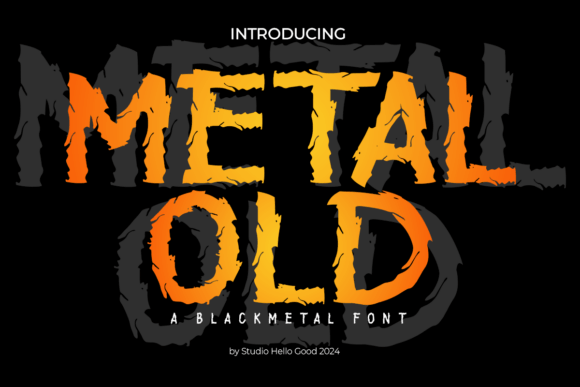
There I was, staring at a blank brand board, trying to find the right visual language for a new client—a small, independent coffee shop with a vibe that leaned into grit and authenticity. I knew I needed something that felt raw, real, and memorable. That’s when I pulled out Metal Old. It wasn’t just another font; it was a statement. With its jagged edges and distressed appearance, Metal Old immediately evoked the rebellious spirit of the metal genre, and I could feel the energy in my fingertips.
Metal Old for Logo Design and Brand Identity
I started by testing Metal Old on a logo draft. The font’s boldness and texture made it stand out, especially when paired with a simple geometric shape. It had that industrial feel that matched the café’s aesthetic—think exposed brick, vintage fixtures, and a bit of rebellion. I realized Metal Old worked best as a headline or logo font, where its character could shine without overwhelming the rest of the design.
One thing I noticed was how Metal Old handled contrast. When used alongside a clean sans serif font, like Montserrat or Futura, the pairing created a nice balance between rugged and refined. This is important because while Metal Old is a display font, it doesn’t have to be the only typeface in play. Its presence adds personality without sacrificing readability, which is crucial for branding consistency.
Metal Old for Packaging and Product Labels
Next, I thought about how Metal Old would look on packaging. I created mockups for coffee bags and takeaway cups, using the font for product names and key messaging. The result was striking—Metal Old added a tactile quality that made the designs feel more authentic. It was perfect for a brand that wanted to stand out on shelves and convey a sense of craftsmanship.
I also considered how the font performed in different sizes. At smaller scales, the jagged edges became more pronounced, which actually enhanced the mood. For a fonts like Metal Old, this kind of detail matters. It ensures that even when used in short-form text, such as labels or tags, the font maintains its impact without losing clarity.
Metal Old for Social Media Graphics and Web Design
When I moved to digital assets, I tested Metal Old on Instagram posts and website headers. The font’s texture translated well to screen formats, adding a layer of visual interest that stood out in a sea of polished, minimalist designs. I found that using Metal Old as an accent font in social media graphics helped create a unique brand voice—one that felt unapologetic and authentic.
For web design, I made sure to use Metal Old sparingly. It works best in headlines or call-to-action buttons where its boldness can guide the user’s eye. I also checked the font’s file formats and licensing details, ensuring that it met the commercial needs of the project. As a display font, Metal Old is versatile enough to work across multiple platforms, from print to digital.
Metal Old for Editorial and Print Materials
Another area I explored was editorial design. I used Metal Old on flyers, posters, and brochures for the café. Its gritty texture gave the materials a handmade, artisanal feel that aligned perfectly with the brand’s identity. I also experimented with different weights and styles, finding that the alternates provided enough flexibility without compromising the font’s core character.
One thing I learned early on was the importance of testing fonts before committing to a full brand system. I created a few sample layouts using Metal Old and evaluated how it looked in different contexts. This helped me understand its strengths and limitations, ensuring that I used it effectively in all aspects of the project.
Metal Old for Font Pairing and Visual Hierarchy
Font pairing is always a delicate balance, and with Metal Old, I found that it worked best when paired with simpler, more neutral fonts. A sans serif like Roboto or Lato provided the necessary contrast, making the design feel dynamic yet balanced. I also experimented with script and handwritten fonts for taglines, but I found that Metal Old held its own in most scenarios.
When it came to visual hierarchy, Metal Old was a game-changer. Its boldness allowed it to take center stage, whether it was in a logo, a headline, or a tagline. I made sure to use it strategically, ensuring that it didn’t overpower the rest of the design. This is especially important for a fonts like Metal Old, which has such a strong personality.
Metal Old for Real-World Application and Client Work
After a few iterations, I presented the final design to the client. They were impressed with how Metal Old brought their vision to life. It wasn’t just a font—it was a narrative, a story told through typography. The client appreciated the uniqueness and the way it reflected their brand’s values.
For other designers looking to use Metal Old, I recommend starting with small elements like logos or headlines before expanding to full brand systems. Testing the font across different mediums and audiences will help you understand its true potential. And don’t forget to check the included styles, ligatures, and weights to ensure you’re getting the most out of your fonts.
In the end, Metal Old proved to be more than just a display font—it was a powerful tool for creating a distinctive brand identity. Whether you’re working on a café, boutique, or creative studio, Metal Old has the versatility and character to make your designs stand out.