Nightmare Claw Font for Editorial Design and Horror-Themed Projects
Nightmare Claw for Horror-Themed Magazine Covers
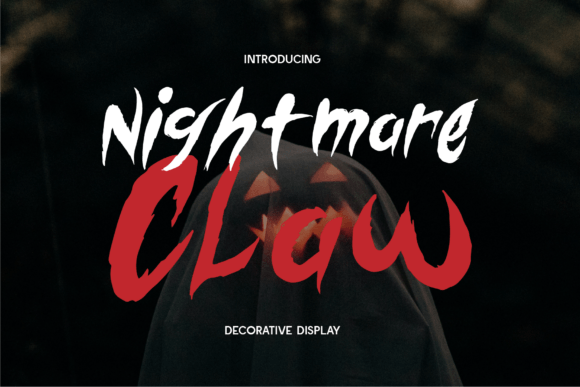
Nightmare Claw is a raw, handwritten display font with intense scratchy and grunge aesthetics. Its jagged and freeform strokes evoke a sense of chaos and fear, making it ideal for horror-themed projects. When designing magazine covers that need to grab attention immediately, Nightmare Claw can serve as the perfect headline font. The chaotic energy of the typeface translates well into visual storytelling, creating an instant mood that aligns with horror or thriller themes.
Nightmare Claw for Blog Headers and Web Content
Nightmare Claw brings a unique edge to blog headers and web content, especially when the tone of the blog leans toward dark fiction, psychological thrillers, or experimental storytelling. As a display font, it's not suited for long-form reading but excels in grabbing attention. Pairing Nightmare Claw with a clean sans serif font like Helvetica or Arial ensures readability while maintaining a striking visual contrast. This combination works well for blog posts that aim to blend intensity with clarity.
Nightmare Claw for Ebook Titles and Chapter Openers
Nightmare Claw adds a layer of intrigue to ebook titles and chapter openers. Whether you're writing a horror novel or a suspenseful short story collection, using this font for chapter headings can create a dramatic effect. It’s important to note that while Nightmare Claw is best used sparingly, its impact on reader engagement is significant. It sets the tone before the text begins, drawing readers into the narrative with its unsettling aesthetic.
Nightmare Claw for Newsletter Graphics and Lead Magnets
Nightmare Claw can elevate the design of newsletters and lead magnets aimed at niche audiences such as fans of horror films, gothic literature, or dark fantasy art. For example, a newsletter promoting a new horror anthology could use Nightmare Claw for the subject line or header graphic. The font's grunge style complements dark themes, helping to establish brand identity and attract the right audience. However, ensure that the font doesn't compromise readability on mobile devices or in email clients.
Nightmare Claw for Quote Graphics and Social Media Posts
Nightmare Claw makes a bold statement in quote graphics and social media posts. When sharing chilling quotes from horror stories or thought-provoking lines about fear, this font can amplify the emotional weight of the message. It's crucial to balance the intensity of Nightmare Claw with enough white space so that the text remains legible and visually appealing. Using this font for social media captions or pinned posts can help increase engagement by standing out in feeds.
Nightmare Claw for Printable Guides and Worksheets
Nightmare Claw may not be suitable for extended reading, but it can add a thematic touch to printable guides and worksheets related to horror, psychology, or creative writing. For instance, a downloadable guide titled "Writing Your First Horror Story" could feature Nightmare Claw in the title or section headers. This approach helps reinforce the theme without overwhelming the reader. Always consider the context and ensure that the font complements the overall design and purpose of the printable material.
Nightmare Claw for Branding and Publication Identity
Nightmare Claw supports strong branding efforts for publications that want to stand out with a distinctive visual identity. Whether it's a digital magazine focused on true crime or a print publication dedicated to horror fiction, this font can become a signature element. Consistent use across headlines, logos, and promotional materials helps build recognition and trust among readers who associate the font with the brand's unique voice and aesthetic.
Nightmare Claw for Commercial Use and Licensing
Nightmare Claw is a commercial font, which means it's suitable for use in paid publications, templates, and digital products. Before incorporating it into your work, make sure you have the appropriate license, especially if you're planning to distribute content through platforms like Gumroad, Etsy, or Patreon. Understanding the licensing terms ensures that your editorial work remains compliant and protects your rights as a designer or content creator.